

Table of Contents
- How Long Do Lift Kits Last
- Does a Lift Kit Void the Warranty
- Suspension Kit Maintenance Best Practices
- Filing a Suspension Warranty Claim
- How Dealers Determine Warranty Claims
- Protecting Your Suspension Investment
- Frequently Asked Questions
Last Updated: October 11, 2026
How Long Do Lift Kits Last
This suspension kit durability and warranty guide explains how durability depends heavily on the quality of components, installation precision, and how aggressively you use your vehicle. Most aftermarket lift kits deliver solid performance for 50,000 to 100,000 miles before you'll notice signs of wear, though premium options can exceed that range significantly. The real variable isn't the kit itself, it's what happens before and after installation.

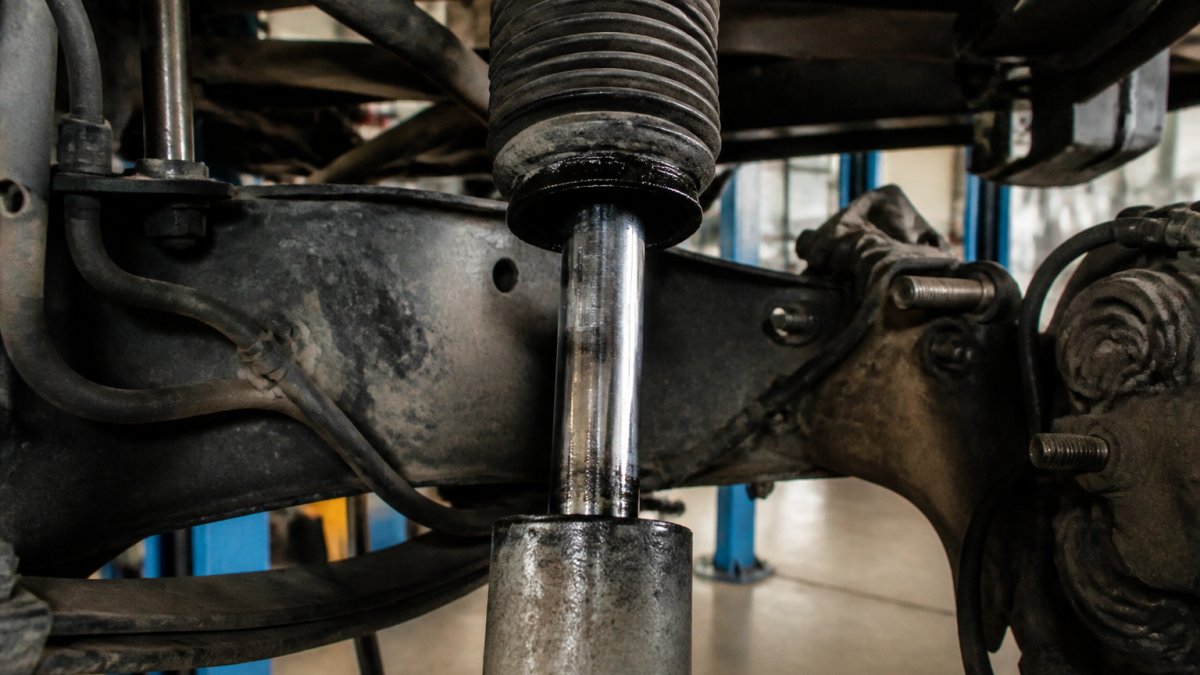
Quality suspension kits can outlast factory suspension by years, but poor maintenance causes premature failure. Understanding what affects longevity from day one is essential.
Factors That Affect Suspension Kit Lifespan
Forged aluminum components resist bending and fatigue far better than welded alternatives, which create weak points where metal is joined, the first spots to fail under stress.
Correct installation distributes loads evenly; poor installation creates uneven stress concentrations that accelerate wear. Shock absorbers with protective dust boots extend service life when installed correctly.
Highway use causes gentler suspension cycles than off-road terrain or towing. Temperature extremes also affect shock performance and longevity.
Regular inspections catch problems early; ignoring leaks, worn bushings, or loose connections turns minor issues into catastrophic failures.
Does a Lift Kit Void the Warranty
A lift kit alone does not automatically void your vehicle warranty. The answer depends on federal law, dealer interpretation, and documentation.
Understanding the Magnuson-Moss Warranty Act
The Magnuson-Moss Warranty Act (1975) prohibits manufacturers from voiding warranties simply because of modifications. The manufacturer must prove the modification directly caused the specific failure.
A dealer cannot deny a warranty claim on your engine because of a lift kit; they must prove the kit caused that specific failure. The burden of proof rests with the dealer.
Dealers frequently claim suspension modifications caused unrelated failures, arguing that a lifted truck puts different loads on the drivetrain. Proving otherwise requires documentation.
Factory Warranty vs. Aftermarket Coverage
Factory warranties cover manufacturing defects for a set period (usually 3 years or 36,000 miles). Aftermarket suspension kits typically offer lifetime warranties on material defects and workmanship.
Your factory warranty on the drivetrain, engine, and transmission remains separate from your suspension kit warranty unless the dealer proves causation.
Aftermarket warranties are only as good as the company backing them. THE SUSPENSION SPECIALISTS backs products with a 100% Satisfaction Guarantee and lifetime warranty on all parts and kits sold.
Suspension Kit Maintenance Best Practices
Preventive maintenance is the best investment in suspension longevity. Most owners neglect basic checks until failure, then spend far more on repairs than routine service would cost.
Pre-Installation Inspection Checklist
Before installation, inspect your vehicle's current suspension system thoroughly to establish a baseline and distinguish pre-existing wear from new issues.
- Check all four shocks or struts for leaks (oil residue on the rod or dust boot indicates failure)
- Inspect bushings and control arm connections for cracks or excessive play
- Measure ride height at all four corners to document the starting point
- Check alignment specs (caster, camber, toe) and record the readings
- Inspect the frame and mounting points for rust, corrosion, or previous damage
- Test steering responsiveness and listen for clunks or squeaks during turns
- Check for driveline vibration or unusual noises during acceleration
- Document everything with photos and written notes, this becomes critical evidence if warranty disputes arise later
This checklist ensures your vehicle is ready for the upgrade and creates a paper trail proving pre-modification condition, critical evidence if warranty disputes arise.
Regular Maintenance Schedule
| Maintenance Task | Interval | Frequency | Why It Matters |
|---|---|---|---|
| Visual inspection for leaks | Every 5,000 miles | Each oil change | Catches failing shocks before they damage other components |
| Check suspension geometry (alignment) | Every 15,000 miles or after rough terrain | Annually | Prevents premature tire wear and suspension stress |
| Lubricate control arm bushings | Every 10,000 miles | Seasonally | Reduces friction and extends bushing life |
| Inspect dust boots and seals | Every 10,000 miles | Each service | Protects internal components from contamination |
| Check all fasteners for looseness | Every 15,000 miles | Twice yearly | Vibration and terrain can loosen bolts over time |
Inspect shocks every 20,000 miles for oil seeping past the piston rod, cracks in the dust boot, or a soft feel when bouncing the vehicle, signs requiring replacement.
Filing a Suspension Warranty Claim
When a suspension component fails, the process of getting warranty coverage depends on whether you're claiming against the manufacturer's warranty, the kit's warranty, or both. Understanding the mechanics of each improves your chances of approval.
The Burden of Proof Process
Here's where the Magnuson-Moss Warranty Act works in your favor, and why documentation is everything.
When filing a warranty claim on a modified vehicle, the dealer must prove your modification caused the failure.
The dealer must inspect the failed component, examine your suspension kit, and establish a causal link between the modification and the failure.
Dealers often claim a lift kit "puts extra stress on the drivetrain" without proving your specific kit caused your specific failure. Documentation is critical.
Pre-installation inspection photos, alignment specs, and maintenance records prove you maintained the vehicle properly.
Documentation That Protects Your Claim
Keep installation receipts, photos, and written summaries. Record all maintenance with dates and mileage. Collect pre-installation photos, alignment printouts, service bulletins, and all dealer correspondence. Ask dealers in writing to explain any causal claims.
File claims with documentation proactively, proving you maintained the vehicle properly and that the failure mode doesn't align with how your modification would affect that component.
How Dealers Determine Warranty Claims
Dealers evaluate warranty claims using a decision process that begins with the failure itself, not with the modification.
Material Defects vs. Installation Error
Material defects (manufacturing flaws, failed welds, incorrect assembly) are covered under warranty. Installation errors (over-torqued bolts, backwards installation, improper securing) are not warranty issues.
Dealers distinguish between these by examining the failed component. A shock with internal corrosion and a ruptured seal suggests a manufacturing defect.
Rancho RS5000X Gas Shocks Set For 1999-2004 Ford F250 F350 Super Duty 4X4 →
The critical point: if you installed the kit yourself or used an independent shop, the dealer may claim installation error more aggressively than if a dealer installed it. This is why installation quality matters enormously.
Signs of Leaking Shocks and Premature Wear
Leaking shocks are the most common suspension failure.
Visual inspection reveals several warning signs:
Oil residue on the rod: A thin film of oil on the shock's piston rod indicates seepage. Heavier accumulation suggests active leaking.
Deteriorated dust boot: The rubber or plastic boot protecting the rod should be intact.
Harsh, bouncy ride: A vehicle that bounces excessively after hitting a bump or leans heavily during turns is experiencing shock failure.
Uneven tire wear: Shocks control how the tire contacts the road.
Premature wear, failure well before the expected service life, can result from manufacturing defects, installation errors, or extreme driving conditions.
Dealers use this distinction to evaluate claims.
Protecting Your Suspension Investment
A suspension kit is only as good as the ecosystem around it. The kit itself is one component of a larger system that includes drivetrain, frame, wheels, and tires. Modifications to suspension affect how all these components interact.
Impact of Suspension Modifications on Drivetrain
Lifting or lowering a vehicle changes the angles at which the driveshaft connects to the transmission and differential.
This matters because driveshafts operate most efficiently at shallow angles. Steep angles create vibration and accelerate wear on U-joints and center bearings.
However, and this is crucial for warranty purposes, a properly engineered lift kit minimizes these angle changes. Most kits are designed to keep driveshaft angles within acceptable ranges.
The problem arises with aggressive lifts (4+ inches) without proper driveline modifications, or with poorly engineered kits that create excessive angles.
Alignment and Geometry After Kit Installation
Suspension geometry refers to the angles at which wheels contact the road and how suspension components are positioned relative to each other.
A lift kit changes these angles. The vehicle's frame rises, but the wheels remain at the same distance from the ground.
Many truck owners skip post-installation alignment, assuming the kit handles everything. This is a critical mistake. Without alignment correction, the suspension operates at compromised angles, causing:
- Uneven tire wear (outer edge wears faster)
- Steering pull to one side
- Increased suspension stress and premature component wear
- Reduced handling precision
From a warranty perspective, this is important: if you skip alignment after installation and experience premature wear, the dealer may argue that improper alignment, not the kit, caused the failure.
After any suspension kit installation, get a professional alignment. Document the before and after readings.
Suspension kit durability and warranty guide decisions don't have to be complicated, but they do require attention to detail. The kits themselves, like the Rancho RS5000X shocks we carry, are engineered for longevity when properly installed and maintained.

Frequently Asked Questions
How long do lift kits typically last before needing replacement?
Suspension kit durability depends on component quality, driving conditions, and maintenance. Quality shocks and struts often last 40,000 to 80,000 miles with proper care. Off-road use, rough terrain, and poor maintenance can reduce lifespan significantly. Regular inspections help catch wear early. Products like the Rancho RS5000X Gas Shocks are engineered for extended performance, but even premium components require scheduled maintenance to reach their full service life.
Does a lift kit void my vehicle's factory warranty?
Under the Magnuson-Moss Warranty Act, a manufacturer cannot void your entire warranty simply because you installed a lift kit. However, they can deny coverage for specific components directly affected by the modification if they prove the kit caused the failure. Factory warranty coverage typically remains intact for unrelated systems. The burden of proof rests with the dealer to demonstrate causation. Documenting your installation and maintaining service records strengthens your position if a claim dispute arises.
What maintenance steps prevent suspension kit failures?
Regular suspension kit maintenance includes visual inspections for leaking shocks, sagging springs, and worn bushings every 10,000 miles. Check fastener tightness, monitor alignment after installation, and follow the manufacturer's service bulletin recommendations. Proper wheel alignment prevents uneven tire wear and premature component failure. Avoid extreme off-road conditions immediately after installation, and allow the suspension to settle before aggressive use. Keeping detailed maintenance records protects your warranty claim eligibility.
What happens if my suspension component fails under warranty?
Contact the manufacturer or authorized dealer with your proof of purchase and maintenance records. They will inspect the failed component for material defects or workmanship issues. If the failure is unrelated to installation error or abuse, the warranty typically covers replacement. The dealer may request documentation of how the component failed. Having pre-installation photos, service bulletins, and maintenance logs significantly strengthens your suspension warranty claim and speeds adjudication.
Can I install a suspension kit myself without voiding coverage?
Professional installation is not always required to maintain warranty coverage, but improper installation can void it. If you install the kit yourself, document every step with photos, keep all receipts, and follow the manufacturer's technical service bulletin exactly. Installation errors, such as incorrect fastener torque, misaligned geometry, or damaged components, can be grounds for warranty denial. Consider professional installation if you're uncertain; many shops warranty their workmanship, which adds a layer of protection.
How do I prove my suspension kit failure isn't my fault?
The burden of proof in warranty claims requires you to demonstrate the component failed due to material defects or workmanship, not misuse. Maintain detailed records of your maintenance schedule, service bulletins followed, and any professional inspections. Take photos of the failure and the surrounding components. Provide documentation showing proper installation and normal driving conditions. If the failure occurred early or unexpectedly, this supports your claim. THE SUSPENSION SPECIALISTS offers expert support to help you build a strong case.
What suspension components are typically covered under warranty?
Most aftermarket suspension warranties cover shocks, struts, springs, control arms, and bushings against material defects and workmanship for a specified period. Coverage typically extends 1 to 3 years or 36,000 to 100,000 miles, depending on the manufacturer. Extended warranties are available for added protection. Exclusions often include damage from installation error, abuse, or extreme off-road use. Products like the Rough Country Forged Upper Control Arms include limited lifetime replacement warranty for manufacturer defects, offering extended protection.
Will my suspension kit cause drivetrain problems?
Suspension modifications can affect drivetrain geometry and performance if not properly engineered. Lift kits change suspension angles, which may alter driveline vibration patterns or increase wear on CV joints and differentials. Leveling kits designed for your specific vehicle minimize these effects. Professional installation and post-installation alignment checks prevent most issues. Quality kits engineered for your vehicle model account for drivetrain compatibility and include guidance to protect your entire vehicle's integrity.
